The Environmental Benefits of Using Metal Skip Bins
In an era where environmental sustainability is paramount, the management of waste has emerged as a critical concern for individuals, businesses, and governments alike. One of the most effective tools in promoting responsible waste disposal and recycling is the use of Metal Skip Bins. These robust, durable containers are widely utilized for collecting and transporting large volumes of waste, offering a range of environmental advantages that contribute to a cleaner, greener planet. This article explores the multifaceted environmental benefits of using Metal Skip Bins, focusing on their role in waste segregation, recycling, reduction of landfill dependency, minimization of pollution, and promotion of sustainable practices.
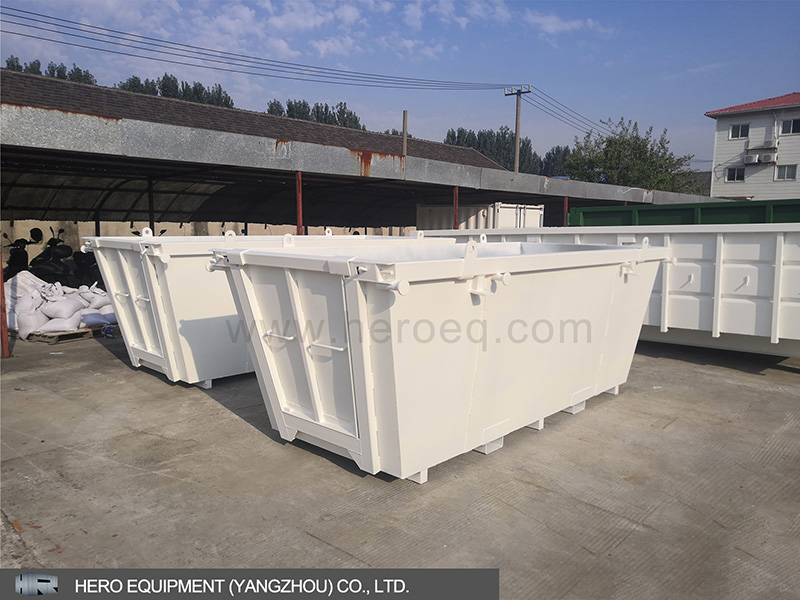
1. Promoting Efficient Waste Segregation and Management
Metal skip bins play a pivotal role in facilitating efficient waste segregation, which is the cornerstone of effective waste management. By providing designated containers for different types of waste, such as general refuse, construction debris, green waste, and recyclables, metal skip bins encourage users to separate materials at the source. This segregation is essential for ensuring that recyclable materials are diverted from landfills and processed appropriately, while hazardous or non-recyclable waste is handled in compliance with environmental regulations.
The durability and versatility of metal skip bins make them suitable for a wide range of waste types, including heavy and bulky items that are often challenging to manage. Their robust construction ensures that they can withstand the weight and abrasiveness of construction materials, metals, and other dense waste without compromising their structural integrity. This durability not only enhances their longevity but also reduces the need for frequent replacements, thereby minimizing resource consumption and waste generation associated with the production of new bins.
Moreover, metal skip bins are designed to be easily transported and emptied, allowing for streamlined waste collection and transportation processes. This efficiency reduces the carbon footprint associated with waste management operations, as fewer trips and less energy are required to transport waste to treatment facilities. By optimizing waste collection logistics, metal skip bins contribute to a more sustainable and environmentally friendly waste management system.
2. Enhancing Recycling Efforts
One of the most significant environmental benefits of metal skip bins is their ability to enhance recycling efforts. Many metal skip bin providers offer specialized bins for recyclable materials, such as metals, plastics, paper, and glass. By segregating recyclables from general waste, these bins ensure that valuable resources are diverted from landfills and reintroduced into the production cycle, reducing the demand for raw materials and conserving natural resources.
Metals, in particular, are highly recyclable and can be processed multiple times without losing their properties. Metal skip bins play a crucial role in collecting scrap metals, such as steel, aluminum, and copper, which are commonly generated from construction, demolition, and manufacturing activities. By facilitating the collection and recycling of these metals, metal skip bins help reduce the environmental impact of mining and metal extraction, which are energy-intensive processes associated with habitat destruction, water pollution, and greenhouse gas emissions.
In addition to metals, metal skip bins also support the recycling of other materials, such as construction debris, which often contains concrete, wood, and metals. These materials can be recycled and repurposed for use in new construction projects, reducing the need for virgin materials and minimizing waste generation. By promoting the recycling of construction and demolition waste, metal skip bins contribute to a circular economy, where resources are reused and recycled to create a more sustainable built environment.
Furthermore, the use of metal skip bins encourages individuals and businesses to adopt a proactive approach to recycling. By providing a convenient and accessible means of disposing of recyclable materials, these bins foster a culture of environmental responsibility and awareness. This behavioral change is essential for achieving long-term sustainability goals and reducing the environmental impact of human activities.
3. Reducing Landfill Dependency
Landfills are one of the most significant sources of environmental pollution and greenhouse gas emissions. The decomposition of organic waste in landfills produces methane, a potent greenhouse gas that contributes to climate change. Additionally, landfills occupy vast areas of land, leading to habitat destruction, soil contamination, and water pollution. By diverting waste from landfills, metal skip bins play a crucial role in reducing the environmental impact of waste disposal.
Metal skip bins enable the efficient collection and transportation of waste to appropriate treatment facilities, where it can be sorted, recycled, or processed in an environmentally responsible manner. This reduces the volume of waste sent to landfills and extends the lifespan of existing landfill sites. By minimizing landfill dependency, metal skip bins help conserve land resources and protect ecosystems from the adverse effects of waste accumulation.
Moreover, the use of metal skip bins supports the implementation of waste reduction strategies, such as composting and reuse. For example, organic waste collected in metal skip bins can be composted to produce nutrient-rich soil amendments, reducing the need for chemical fertilizers and promoting sustainable agriculture. Similarly, materials that are still usable, such as furniture, appliances, and building materials, can be salvaged and reused, further reducing the demand for new products and minimizing waste generation.
By reducing landfill dependency, metal skip bins contribute to a more sustainable waste management system that prioritizes resource conservation, pollution prevention, and environmental protection. This shift away from traditional waste disposal methods is essential for addressing the global waste crisis and achieving a circular economy.
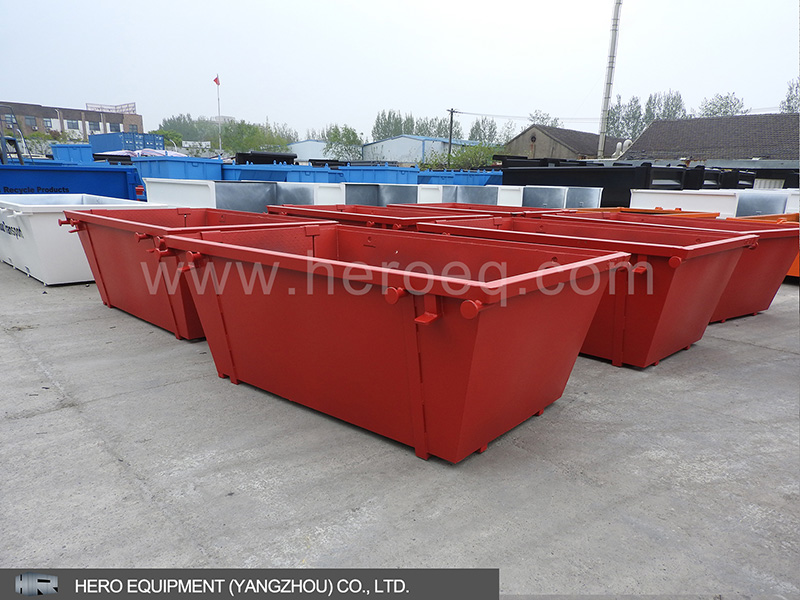
4. Minimizing Pollution and Environmental Contamination
The improper disposal of waste can lead to significant environmental pollution and contamination, affecting air, water, and soil quality. Metal skip bins help minimize these risks by providing a controlled and secure means of waste collection and transportation. Their robust construction prevents the leakage of hazardous materials, such as chemicals, oils, and paints, which can contaminate the environment and pose risks to human health.
In addition, metal skip bins are designed to withstand harsh weather conditions, ensuring that waste is contained and protected from rain, wind, and temperature fluctuations. This prevents the leaching of pollutants into the soil and waterways, reducing the risk of environmental contamination. By providing a secure and enclosed space for waste storage, metal skip bins help maintain environmental hygiene and prevent the spread of diseases associated with waste accumulation.
Furthermore, the use of metal skip bins supports the proper disposal of hazardous waste, which requires specialized handling and treatment. Many metal skip bin providers offer services for the collection and disposal of hazardous materials, such as batteries, electronic waste, and asbestos, ensuring that these substances are managed in compliance with environmental regulations. This reduces the risk of environmental pollution and protects ecosystems and communities from the adverse effects of hazardous waste.
By minimizing pollution and environmental contamination, metal skip bins contribute to a healthier and more sustainable environment. They play a vital role in protecting natural resources, preserving biodiversity, and safeguarding public health.
5. Supporting Sustainable Construction and Development
The construction industry is a major contributor to waste generation, producing large volumes of debris, including concrete, wood, metals, and other materials. Metal skip bins are widely used in construction and development projects to manage this waste efficiently and sustainably. By providing a centralized and organized means of waste collection, metal skip bins help construction teams maintain clean and safe workspaces, reducing the risk of accidents and improving operational efficiency.
In addition, metal skip bins support the implementation of sustainable construction practices, such as waste minimization, recycling, and the use of recycled materials. By segregating construction waste and diverting recyclable materials from landfills, metal skip bins contribute to the reduction of the environmental impact of construction projects. This aligns with the principles of green building and sustainable development, which aim to create environmentally responsible and resource-efficient structures.
Moreover, the use of metal skip bins in construction projects promotes a culture of environmental responsibility among contractors and developers. By prioritizing waste management and sustainability, these stakeholders demonstrate their commitment to protecting the environment and contributing to a more sustainable future.
6. Encouraging Responsible Waste Disposal Practices
Metal skip bins play a crucial role in promoting responsible waste disposal practices among individuals, businesses, and communities. By providing a convenient and accessible means of waste collection, these bins encourage users to dispose of their waste in an environmentally responsible manner. This reduces the likelihood of illegal dumping, littering, and other harmful practices that contribute to environmental degradation.
In addition, the use of metal skip bins fosters a sense of accountability and environmental stewardship among users. By taking an active role in waste management, individuals and businesses contribute to the protection of the environment and the promotion of sustainability. This behavioral change is essential for achieving long-term environmental goals and creating a more sustainable society.
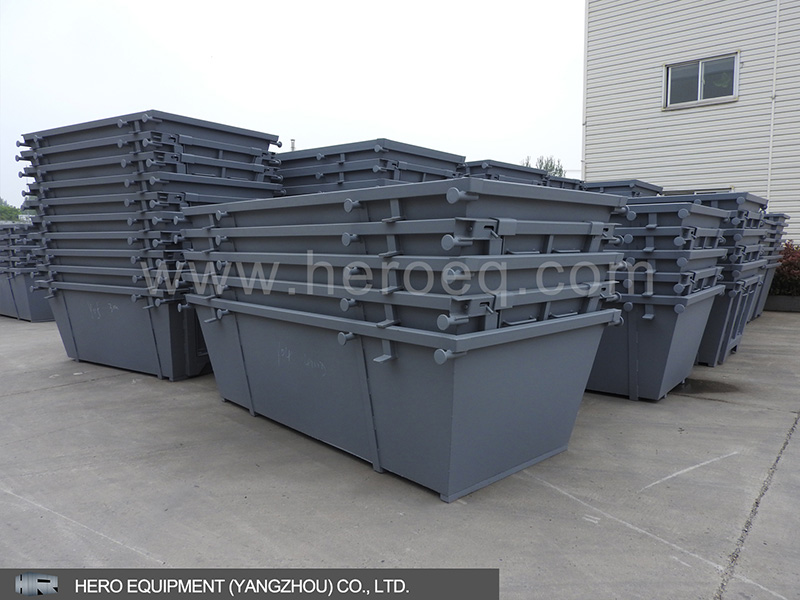
The environmental benefits of using metal skip bins are manifold, encompassing waste segregation, recycling, landfill reduction, pollution minimization, sustainable construction, and responsible waste disposal. These versatile and durable containers play a vital role in promoting a more sustainable and environmentally friendly waste management system. By diverting waste from landfills, conserving natural resources, and protecting the environment, metal skip bins contribute to the global effort to address the challenges of waste management and climate change. As societies continue to prioritize sustainability, the adoption of metal skip bins will remain a key strategy for achieving a cleaner, greener, and more sustainable future.



 Phone
Phone
Comment
(0)