Transporting and storing hazardous materials presents unique risks to human health, property, and the environment. A dangerous goods container serves as the primary barrier between these materials and the outside world, and its design must therefore incorporate a comprehensive set of safety features to prevent leaks, spills, fires, explosions, and unauthorised access. These features are not arbitrary additions but carefully engineered responses to the physical, chemical, and biological hazards posed by the substances being carried. Understanding what safety features a dangerous goods container must have means looking at structural integrity, pressure and temperature management, containment systems, fire resistance, security, and regulatory compliance as an integrated whole.
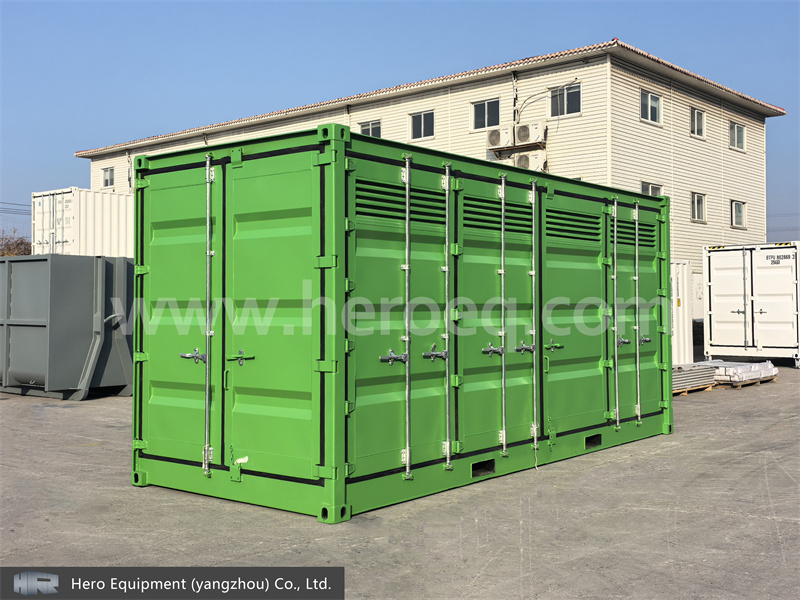
Structural Integrity and Robust Construction
The foundation of any dangerous goods container is its structural robustness. It must be constructed from materials capable of withstanding mechanical stresses incurred during handling, stacking, transport, and possible impacts. Steel, aluminium alloys, and high-strength polymers are common choices, selected for their strength-to-weight ratios, corrosion resistance, and compatibility with the contents. The container’s shell must be free from sharp edges, weak welds, or defects that could become initiation points for rupture under stress.
Reinforcements are often applied at points of high stress concentration, such as corners, lifting lugs, and valve housings. The container must retain its shape and seal integrity even when dropped, struck, or deformed in an accident scenario. This physical resilience ensures that the primary barrier remains intact, preventing direct release of the hazardous substance into the environment.
Pressure and Vacuum Relief Systems
Many hazardous substances can generate gases through chemical reactions, temperature changes, or phase transitions. If pressure builds up inside a sealed container beyond its design limit, catastrophic rupture or explosion may occur. Conversely, rapid cooling or certain reactions can create a vacuum that collapses the container. Therefore, pressure and vacuum relief devices are essential safety features.
These devices are engineered to open at predetermined pressure or vacuum thresholds, allowing gases or vapours to vent safely without permitting the escape of the liquid or solid contents. Relief mechanisms may use burst discs, spring-loaded valves, or porous elements designed to respond predictably to pressure differentials. Their activation thresholds are carefully matched to the properties of the cargo and the container’s structural limits, ensuring that pressure management does not compromise containment.
Leak Prevention and Containment
Leak prevention starts with high-quality seals and gaskets at all openings, including closures, valves, and inspection ports. These sealing elements must be made from materials chemically compatible with the cargo to avoid swelling, cracking, or degradation that would create pathways for leakage. Double-seal arrangements and redundant gasket systems are sometimes used where the consequences of even minor leakage are severe.
Containment goes beyond preventing external release; it also includes internal safeguards such as sump trays or secondary containment volumes that can capture spills or residual amounts in case of primary seal failure. This approach confines hazardous material within defined boundaries, limiting exposure to people and ecosystems.
Fire Resistance and Thermal Protection
Fire poses a major threat to dangerous goods containers, both because it can weaken the container and because elevated temperatures may trigger violent reactions in the cargo. Fire-resistant materials and insulating layers form part of the container’s defence. Fireproof cladding, intumescent coatings, and insulated shells slow the transfer of heat into the interior, delaying temperature rise and maintaining structural strength for longer periods.
Some containers are equipped with temperature-sensitive devices that trigger cooling systems or pressure relief at pre-set thermal thresholds. Others may have flame arrestors integrated into venting systems to prevent external flames from entering and igniting the cargo. These features collectively reduce the likelihood that a fire will escalate into a breach of containment or a runaway reaction.
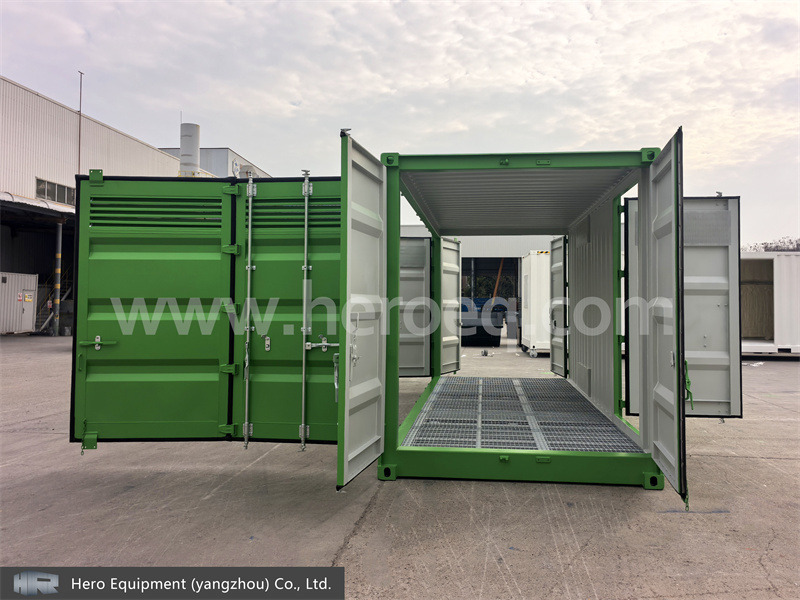
Temperature Control and Monitoring
Certain hazardous materials are highly sensitive to temperature fluctuations, either becoming unstable or changing state in ways that increase risk. Containers for such substances may incorporate thermal insulation and active temperature control systems, such as phase-change materials, refrigerated jackets, or electric heating elements governed by thermostats.
Temperature monitoring devices, including thermocouples, resistance temperature detectors, and data loggers, enable continuous or periodic measurement of internal conditions. Alarms can alert handlers if temperatures deviate from safe ranges, prompting intervention before hazardous conditions develop. In some systems, monitoring data is transmitted remotely, supporting real-time oversight during transport or storage.
Ventilation and Gas Management
If a dangerous goods container holds volatile substances or materials that off-gas, controlled ventilation becomes crucial. Ventilation systems must allow displaced gases to escape without letting contaminants back in, and they must function safely in varied atmospheric pressures and orientations. Flame traps or mesh filters are often installed in vent paths to block ignition sources while permitting gas flow.
In closed transport, passive vents may suffice, but active ventilation linked to sensors can adjust airflow based on measured gas concentrations. Managing gas evolution not only reduces internal pressure but also minimises the risk of flammable or toxic atmospheres forming inside or around the container.
Security and Tamper Resistance
Unauthorised access to dangerous goods can lead to theft, misuse, or deliberate sabotage. Security features aim to deter tampering and detect interference. Locking mechanisms on closures and valves must resist forced opening, and seals or numbered ties can show if a container has been interfered with during transit.
Tamper-evident designs ensure that any breach attempt leaves visible evidence, aiding in accountability and investigation. In high-risk scenarios, containers may incorporate locking systems operable only with authorised keys or electronic codes, and some may have alarm systems triggered by unauthorised movement or opening attempts.
Identification and Information Accessibility
Clear identification is a safety feature in itself. Each container must display markings that indicate its contents, hazard class, UN number, packing group, and handling instructions. These markings allow handlers to recognise the nature of the risk and take appropriate precautions immediately.
Labels, placards, and signage must be durable, legible under various lighting and weather conditions, and resistant to chemicals, abrasion, and fading. Accompanying documentation, accessible without opening the container, provides detailed emergency response information. Quick recognition and accurate information dissemination are vital in emergencies to protect responders and the public.
Compatibility and Segregation
Safety also depends on ensuring that the container material and design are compatible with the specific hazardous substance. Some chemicals react with certain metals or polymers, causing corrosion, permeation, or catalytic decomposition. Compatibility testing and selection of liners or special coatings prevent such reactions.
Segregation features may be built into the container’s design to keep incompatible materials apart within the same transport unit. Partitions, separate compartments, or independent packaging inside the container reduce the risk of dangerous interactions during transit.
Compliance with Regulations and Standards
Dangerous goods containers must meet stringent international, national, and industry-specific regulations governing design, testing, and certification. These standards define performance criteria for drop tests, stack tests, leak tightness, pressure resistance, and fire endurance. Certification marks from recognised authorities confirm that the container has passed prescribed evaluations.
Compliance ensures that the container meets minimum safety benchmarks and can be used legally for transporting regulated substances. It also means that the container’s safety features have been validated under reproducible test conditions, giving users confidence in its performance.
Maintenance, Inspection, and Lifecycle Management
Safety features are effective only if they remain functional over the container’s service life. Regular inspection schedules must check structural condition, seal integrity, valve operation, pressure relief functionality, and the state of protective coatings. Damaged or degraded components must be repaired or replaced promptly.
Maintenance procedures should follow manufacturer guidelines and regulatory requirements, with records kept to verify continued fitness for service. End-of-life containers must be decontaminated and disposed of in ways that neutralise remaining hazards, preventing future risks.
Integration of Multiple Safety Layers
No single safety feature can address every possible hazard. Effective dangerous goods containers integrate multiple protective layers: robust structure to resist mechanical damage, pressure and vacuum relief to manage internal states, secure and compatible seals to prevent leaks, fire and thermal protection to withstand heat, temperature control and monitoring to avert instability, ventilation to handle gases, security measures to prevent unauthorised access, and clear identification to inform handlers. Together, these features form a defence-in-depth strategy that anticipates and mitigates a wide spectrum of risks.
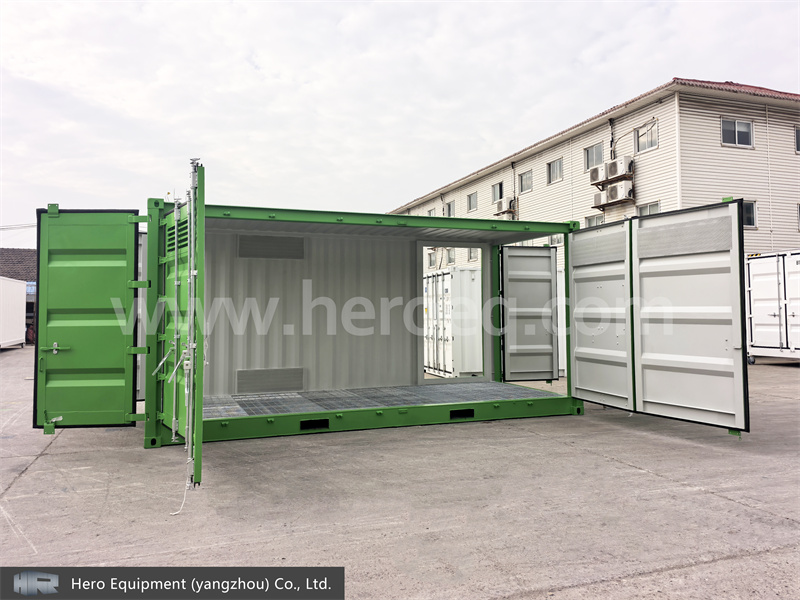
A dangerous goods container must possess a suite of safety features that address mechanical, thermal, chemical, and security threats in a coordinated manner. Structural strength ensures survival under impact, pressure and vacuum relief systems prevent overpressure or collapse, and advanced sealing and containment stop leaks. Fire resistance and thermal management protect against heat-related failures, while temperature monitoring and control maintain cargo stability. Ventilation manages gas risks, security deters tampering, and clear identification supports informed handling. Compatibility with contents and regulatory compliance guarantee both suitability and legal usability. Through rigorous design, proper maintenance, and adherence to standards, these safety features combine to make dangerous goods containers reliable guardians of public safety, environmental protection, and the integrity of hazardous material transport and storage systems.



 Phone
Phone
Comment
(0)