Industrial steel Skip Bins are robust, heavy-duty containers designed to handle large volumes of waste, debris, and construction materials in demanding environments. These bins are widely used in construction sites, manufacturing facilities, mining operations, and other industrial settings where efficient waste management is critical. Their design, durability, and functionality make them indispensable for maintaining cleanliness, safety, and operational efficiency. Below are the key features that define industrial steel skip bins and contribute to their widespread use in various industries.
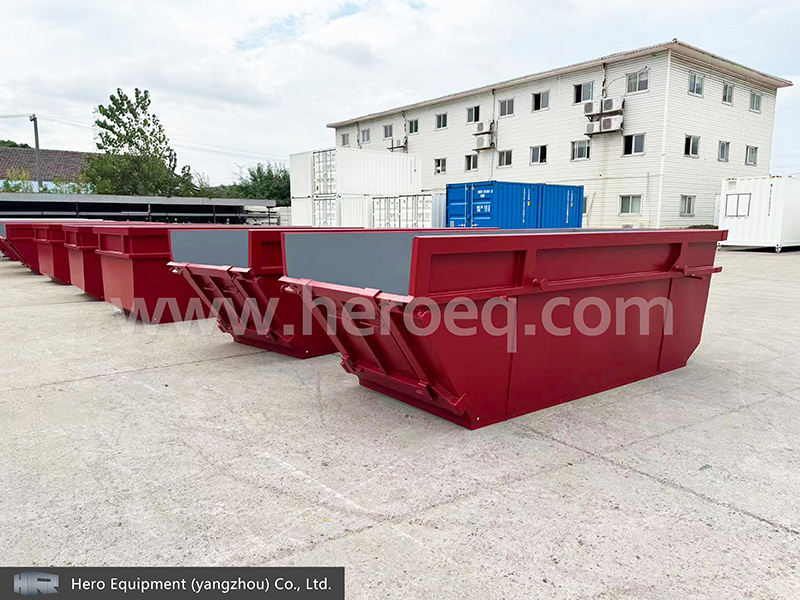
1. High-Strength Steel Construction
The most defining characteristic of industrial steel skip bins is their construction from high-grade, durable steel. This material provides exceptional strength and resilience, enabling the bins to withstand heavy loads, harsh weather conditions, and the rigors of industrial use. Unlike plastic or lighter metal bins, steel skip bins are built to last, offering a long service life even when subjected to constant use and abuse. The steel used in their construction is often treated or coated to resist corrosion, rust, and wear, further enhancing their durability and reducing maintenance requirements.
The structural integrity of steel skip bins ensures they can safely contain heavy materials such as concrete, metals, bricks, and other dense waste without deforming or collapsing. This makes them ideal for handling bulk waste that would easily overwhelm lighter or less sturdy containers. Additionally, the rigid structure of steel bins prevents them from being easily damaged during transportation or handling, ensuring they remain secure and intact throughout their lifecycle.
2. Large Capacity and Volume Options
Industrial steel skip bins are available in a wide range of sizes and capacities to suit diverse waste management needs. They can range from small bins capable of holding a few cubic meters of waste to massive containers with capacities exceeding 100 cubic meters. This versatility allows businesses to select the appropriate bin size based on the volume and type of waste they generate. Larger bins are particularly useful in high-output industries such as construction and mining, where significant amounts of waste are produced daily.
The ability to choose from various sizes ensures that businesses can optimize their waste management processes, avoiding the inefficiencies of using bins that are either too small or excessively large. Properly sized bins also contribute to cost savings by reducing the number of trips required for waste collection and transportation. Furthermore, the standardized sizes of steel skip bins make them compatible with a wide range of skip loaders and waste management vehicles, streamlining the loading and disposal process.
3. Versatility in Waste Handling
One of the standout features of industrial steel skip bins is their ability to handle a wide variety of waste types. They are commonly used to dispose of construction debris, such as concrete, wood, metal, and drywall, as well as industrial waste like scrap metal, machinery parts, and packaging materials. Steel skip bins are also suitable for managing hazardous waste in controlled environments, provided they are used in compliance with relevant safety regulations.
The versatility of these bins makes them an all-in-one solution for waste management, eliminating the need for multiple containers to handle different types of waste. This not only simplifies the waste disposal process but also contributes to better organization and efficiency on job sites or in industrial facilities. Additionally, the robust design of steel skip bins ensures that they can safely contain sharp, heavy, or irregularly shaped materials without compromising their structural integrity.
4. Secure and Safe Design
Safety is a critical consideration in industrial environments, and steel skip bins are designed with this in mind. Their sturdy construction and secure lids help prevent accidents by containing waste and preventing it from spilling onto walkways, roads, or work areas. Many steel skip bins are equipped with locking mechanisms or heavy-duty lids to ensure that waste remains contained, even in high-wind conditions or when the bin is being transported.
The secure design of steel skip bins also helps mitigate health and safety risks by reducing exposure to hazardous materials and preventing injuries caused by falling debris or sharp objects. By keeping waste contained and organized, these bins contribute to a cleaner and safer working environment, which is essential for compliance with occupational health and safety standards. Furthermore, the use of standardized bins with consistent designs ensures that workers can easily identify and access the appropriate container for waste disposal, further enhancing safety and efficiency.
5. Mobility and Ease of Transportation
Industrial steel skip bins are designed to be easily transported to and from job sites, making them a convenient solution for waste management. Most bins are equipped with forklift slots or lifting eyes that allow them to be moved using heavy machinery such as cranes, forklifts, or skip loaders. This mobility ensures that bins can be quickly relocated as needed, allowing businesses to adapt to changing waste management requirements without downtime.
The design of steel skip bins also facilitates efficient loading and unloading. Many bins feature a low entry height or sloped base, making it easier to deposit heavy or bulky materials into the container. Additionally, the compatibility of steel skip bins with standard waste collection vehicles ensures that waste can be quickly and efficiently transported to disposal or recycling facilities. This seamless integration with waste management logistics helps businesses maintain smooth operations and minimize disruptions caused by waste buildup.
6. Environmental Benefits
While steel skip bins are primarily known for their durability and functionality, they also offer environmental advantages. By providing a centralized and organized system for waste collection, these bins help reduce littering, illegal dumping, and the spread of pollutants. Proper waste containment also minimizes the risk of environmental contamination, particularly in industries that generate hazardous or toxic waste.
Furthermore, the use of steel skip bins supports sustainable waste management practices by facilitating the segregation and recycling of materials. Many businesses use separate bins for recyclable materials such as metals, plastics, and wood, enabling them to divert a significant portion of their waste from landfills. The durability of steel bins also contributes to their environmental benefits, as they can be reused multiple times over their lifespan, reducing the need for single-use or disposable containers.
7. Customization and Adaptability
Industrial steel skip bins can be customized to meet specific requirements, making them highly adaptable to a wide range of applications. For example, bins can be manufactured in non-standard sizes or configurations to accommodate unique space constraints or waste management needs. Some bins are designed with additional features such as compartments, dividers, or specialized linings to handle specific types of waste or improve containment.
The adaptability of steel skip bins extends to their compatibility with various waste management systems and processes. Whether used in conjunction with automated waste collection systems, manual loading procedures, or third-party waste disposal services, these bins can be integrated seamlessly into existing workflows. This flexibility makes them a valuable asset for businesses of all sizes and across diverse industries.
8. Cost-Effectiveness
Investing in industrial steel skip bins is a cost-effective solution for long-term waste management. While the initial purchase or rental cost may be higher compared to lighter or less durable containers, the longevity and durability of steel bins result in significant savings over time. Their ability to withstand heavy use and harsh conditions reduces the need for frequent replacements, minimizing ongoing expenses.
Additionally, the efficiency and organization provided by steel skip bins contribute to cost savings by streamlining waste management processes and reducing labor requirements. By optimizing waste collection and disposal, businesses can also avoid fines or penalties associated with improper waste handling or environmental violations. The versatility and adaptability of steel skip bins further enhance their cost-effectiveness, as they can be used for a wide range of applications without the need for specialized containers.
9. Compliance with Regulations
Industrial steel skip bins help businesses comply with local, national, and international regulations governing waste management and environmental protection. Their secure design and reliable containment ensure that waste is handled in accordance with safety standards, reducing the risk of legal liabilities or environmental harm. Many steel skip bins are designed to meet specific regulatory requirements, such as those related to the transport and disposal of hazardous materials.
By providing a standardized and reliable system for waste collection, steel skip bins also facilitate compliance with reporting and documentation requirements. Businesses can easily track the volume and type of waste generated, ensuring transparency and accountability in their waste management practices. This compliance not only protects businesses from legal risks but also enhances their reputation as responsible corporate citizens.
10. Low Maintenance Requirements
Despite their heavy-duty use, industrial steel skip bins require minimal maintenance to remain functional and effective. Their durable construction and resistance to wear and tear ensure that they can withstand constant use without frequent repairs or replacements. Routine maintenance typically involves simple cleaning and inspections to ensure that the bins remain in good condition and continue to meet safety and performance standards.
The low maintenance requirements of steel skip bins contribute to their cost-effectiveness and reliability, as businesses can rely on them to perform consistently without the need for extensive upkeep. This reliability is particularly important in industrial environments, where downtime or disruptions caused by faulty equipment can have significant consequences.
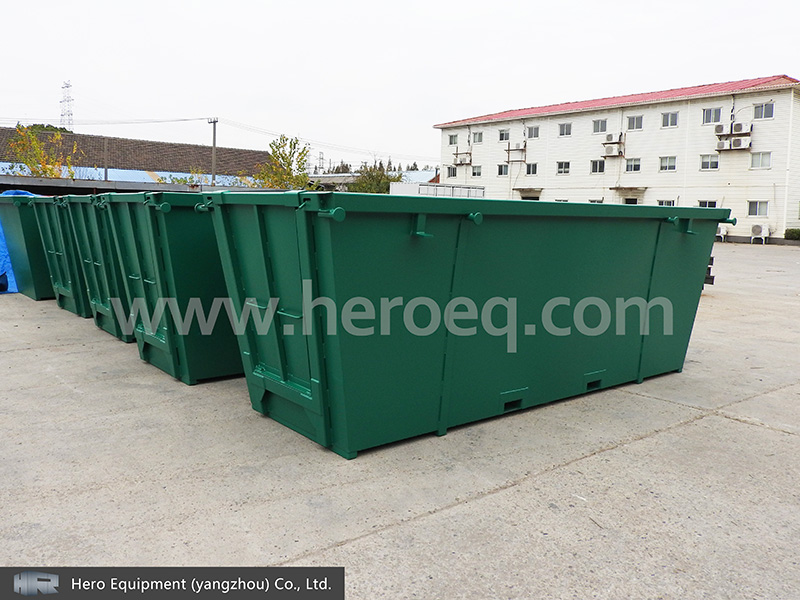
Industrial steel skip bins are essential tools for efficient and effective waste management in a wide range of industries. Their high-strength steel construction, large capacity, versatility, and secure design make them ideal for handling heavy and bulky waste in demanding environments. The mobility, environmental benefits, customization options, and cost-effectiveness of these bins further enhance their value, providing businesses with a reliable and sustainable solution for waste disposal. By investing in industrial steel skip bins, organizations can improve operational efficiency, ensure compliance with regulations, and contribute to a cleaner and safer working environment.



 Phone
Phone
Comment
(0)