Efficient waste management is a cornerstone of sustainable operations across industries, from construction and manufacturing to municipal services and agriculture. Traditional waste handling methods often rely on manual labor, additional machinery, or time-consuming processes to unload and transport waste, leading to inefficiencies, higher labor costs, and increased safety risks. Self-tipping bins, also known as dump bins or self-unloading containers, have emerged as a transformative solution to address these challenges. By automating the unloading process and optimizing workflow, self-tipping bins significantly enhance waste management efficiency in multiple dimensions. This article explores the key ways these bins improve operational effectiveness, reduce costs, and contribute to safer, more streamlined waste handling.
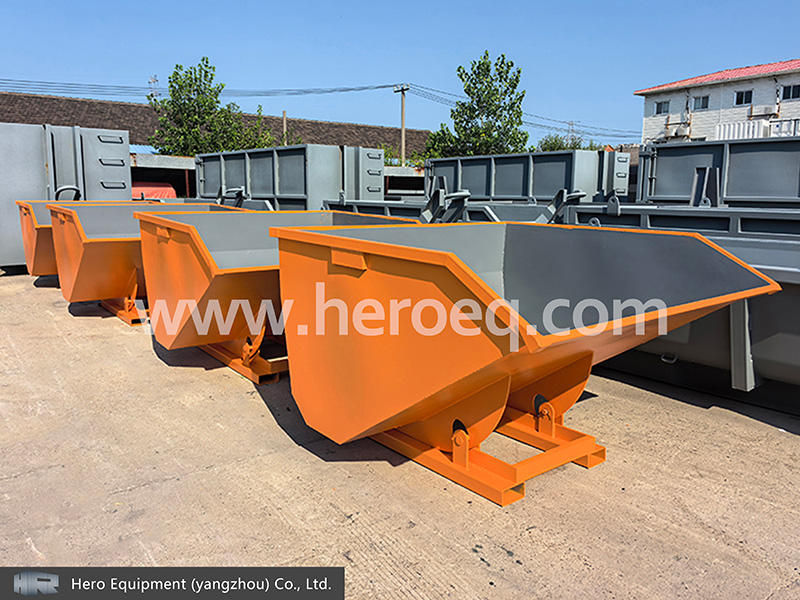
Automated Unloading: Reducing Labor and Time Costs
One of the most significant advantages of self-tipping bins is their ability to unload waste automatically without requiring manual intervention or additional equipment. Traditional waste management often involves workers manually emptying bins or using cranes, forklifts, or other machinery to tilt and dump the contents. These processes are not only labor-intensive but also time-consuming, especially when dealing with large volumes of waste. Self-tipping bins eliminate the need for such manual effort by featuring a built-in tipping mechanism that allows the bin to tilt at an angle, causing the waste to slide out smoothly into a collection truck, conveyor, or designated disposal area.
This automation drastically reduces the time required to empty bins. Instead of spending minutes or even hours unloading waste, operators can simply trigger the tipping mechanism—often with a remote control, hydraulic system, or automated process—and the bin will unload its contents within seconds. The saved time translates directly into increased productivity, as workers can focus on other essential tasks rather than waste handling. Moreover, the reduced reliance on manual labor lowers labor costs and minimizes the risk of workplace injuries associated with heavy lifting or operating machinery.
Enhanced Workflow Integration
Self-tipping bins are designed to integrate seamlessly into existing waste management workflows, enabling a more continuous and streamlined operation. In industries such as construction or demolition, where waste is generated in large quantities and needs to be removed frequently, self-tipping bins can be strategically placed at job sites. Workers can deposit waste into the bins throughout the day, and the bins can be scheduled for quick unloading at regular intervals. This eliminates bottlenecks caused by waiting for waste to be manually collected or transported, ensuring that the work site remains clean and operational.
The integration extends to transportation and disposal as well. Self-tipping bins are often compatible with standard waste collection vehicles or specialized equipment, allowing for efficient transfer of waste without the need for additional handling. For example, a collection truck can position itself under the bin, and the bin's tipping mechanism can discharge the waste directly into the truck's hopper. This end-to-end efficiency reduces the number of steps involved in the waste management process, minimizing delays and maximizing throughput.
Improved Safety and Risk Mitigation
Waste handling is inherently associated with safety risks, including injuries from lifting heavy loads, exposure to hazardous materials, and accidents involving machinery. Self-tipping bins address these risks by automating the most dangerous aspects of waste unloading. Manual lifting of heavy bins or debris can lead to musculoskeletal injuries, while operating forklifts or cranes to tilt bins poses risks of collisions or equipment failure. By eliminating the need for these manual tasks, self-tipping bins significantly reduce the likelihood of workplace accidents and injuries.
The automated tipping process is also safer for workers, as it can be controlled remotely or through pre-programmed mechanisms. This minimizes the need for workers to be in close proximity to the bin during unloading, reducing exposure to falling debris or other hazards. Furthermore, self-tipping bins are often designed with reinforced structures and safety features, such as locking mechanisms to prevent accidental tipping and sensors to ensure proper alignment during the unloading process. These design elements enhance overall safety and create a more secure working environment.
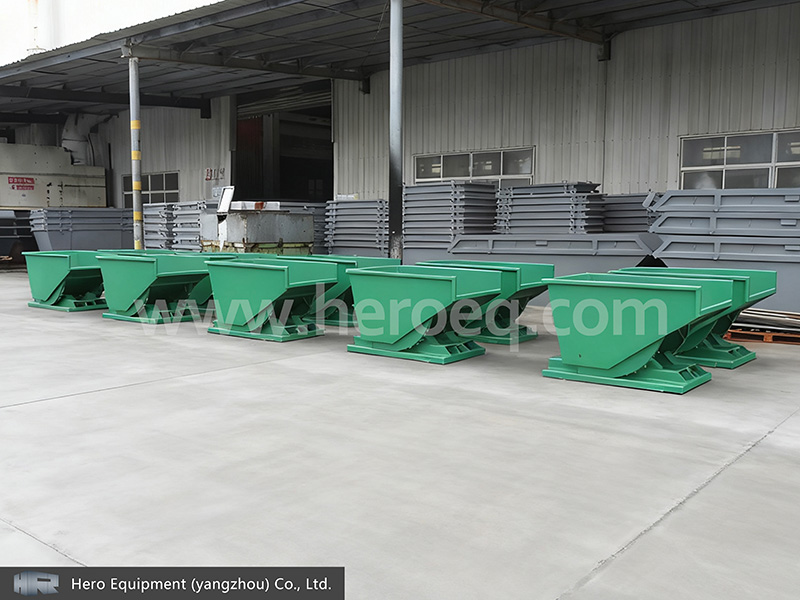
Versatility Across Waste Types and Environments
Self-tipping bins are highly versatile and can handle a wide range of waste types, from construction debris and industrial scrap to municipal solid waste and agricultural byproducts. This versatility makes them suitable for diverse industries and environments, each with unique waste management challenges. For example, in the construction industry, self-tipping bins can manage bulky and heavy materials such as concrete, wood, and metal scraps. In agriculture, they can handle organic waste, manure, or packaging materials. Municipalities can use them for general waste collection, recycling, or green waste disposal.
The bins' ability to accommodate different waste types is further enhanced by their customizable features, such as size, capacity, and liner options. Larger bins can be deployed for high-volume waste generation, while smaller bins are ideal for low-frequency or localized needs. Liners can be added to prevent leakage or contamination, ensuring compliance with environmental regulations and maintaining cleanliness. This adaptability allows self-tipping bins to be tailored to specific operational requirements, improving efficiency across various contexts.
Space Optimization and Mobility
Efficient waste management also depends on how well space is utilized, especially in urban areas, construction sites, or facilities with limited storage capacity. Self-tipping bins are designed to optimize space usage by consolidating waste in a single container that can be easily transported and emptied. Unlike traditional waste bins that may require multiple trips or additional equipment for unloading, self-tipping bins can be strategically placed in compact areas and emptied efficiently without occupying additional space.
The mobility of self-tipping bins further enhances their efficiency. Many bins are mounted on wheels or trailers, allowing them to be moved easily between locations. This is particularly beneficial for industries such as construction or events, where waste generation varies by location. Bins can be relocated as needed to ensure waste is managed close to the source, reducing the distance waste needs to be transported and minimizing logistical challenges. The ability to quickly relocate bins also supports dynamic operations, where waste management needs may change frequently.
Environmental and Regulatory Compliance
Proper waste management is closely tied to environmental sustainability and regulatory compliance. Self-tipping bins contribute to these goals by facilitating the efficient collection, transportation, and disposal of waste. By automating the unloading process, the bins reduce the likelihood of waste spillage or littering during transportation, helping to maintain cleaner environments. This is especially important in urban areas or sensitive ecosystems where waste contamination can have significant environmental impacts.
Moreover, self-tipping bins make it easier to segregate and manage different types of waste, supporting recycling and waste reduction efforts. For example, bins can be designated for specific materials such as recyclables, hazardous waste, or organic matter, ensuring that each type is handled appropriately. This segregation simplifies the recycling process and reduces the amount of waste sent to landfills, aligning with global sustainability goals.
From a regulatory perspective, self-tipping bins help organizations comply with local and national waste management regulations. The bins' standardized design and automated unloading processes make it easier to track waste volumes, ensure proper disposal, and maintain records for inspections. This reduces the risk of non-compliance penalties and demonstrates a commitment to responsible waste management practices.
Cost - Effectiveness and Long - Term Value
While the initial investment in self-tipping bins may be higher than traditional waste bins, their long - term cost - effectiveness is undeniable. The reduced labor costs, increased productivity, and lower risk of accidents translate into significant savings over time. Additionally, the durability and low maintenance requirements of self-tipping bins ensure that they provide reliable service for years, further enhancing their value.
The efficiency gains achieved through self-tipping bins also contribute to cost savings. By streamlining the waste management process, organizations can reduce the time and resources spent on waste handling, allowing them to allocate those resources to core business activities. This improved efficiency can lead to increased profitability and a competitive edge in the market.
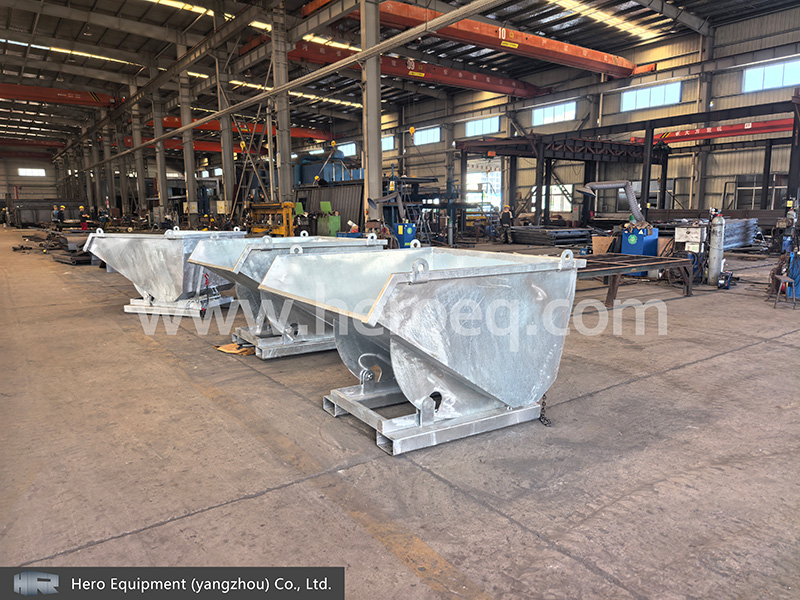
In conclusion, self-tipping bins are a game - changer in waste management, offering a wide range of benefits that improve efficiency, safety, and sustainability. From automating the unloading process and integrating seamlessly into workflows to enhancing safety, versatility, and environmental compliance, these bins address the key challenges of traditional waste handling methods. By investing in self-tipping bins, organizations can achieve a more streamlined, cost - effective, and responsible approach to waste management, ultimately contributing to a cleaner and more sustainable future.



 Phone
Phone
Comment
(0)