Steel Skip Bins are widely used in various industries for the collection and transportation of waste materials. However, when exposed to outdoor or marine environments, these bins face significant challenges that can compromise their structural integrity and shorten their service life. Corrosion, caused by moisture, salt, and other environmental factors, is one of the primary concerns. To combat these issues and prolong the lifespan of steel skip bins, protective coatings play a crucial role. This article delves into the mechanisms by which protective coatings safeguard steel skip bins in challenging outdoor and marine settings.
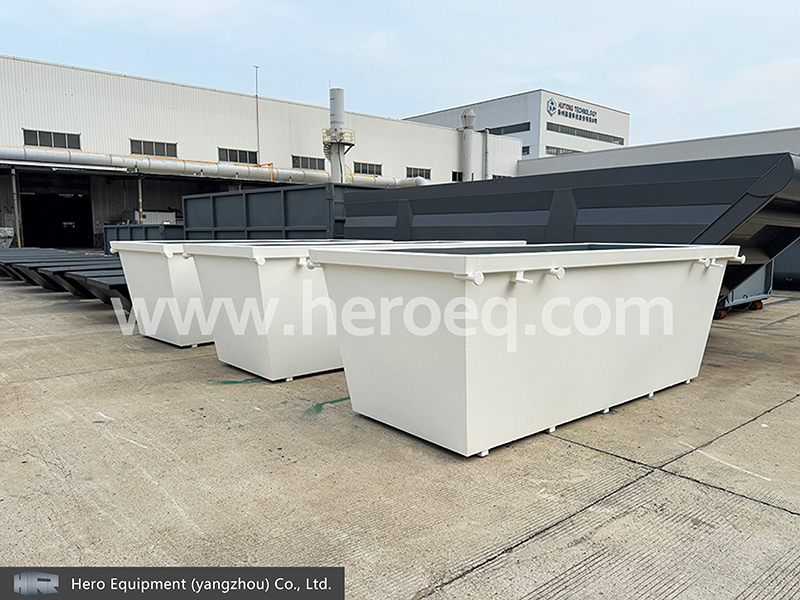
1. Barrier Protection Against Moisture and Oxygen
One of the fundamental ways protective coatings extend the service life of steel skip bins is by acting as a barrier. In outdoor environments, steel is constantly exposed to moisture from rain, humidity, and condensation. This moisture, combined with oxygen in the air, creates an ideal environment for rust formation. Rust is not only unsightly but also weakens the structural integrity of the steel, leading to premature failure of the skip bin.
Protective coatings, such as paints and epoxy coatings, form a continuous film over the surface of the steel. This film acts as a physical barrier, preventing moisture and oxygen from coming into direct contact with the metal. By blocking these corrosive elements, the coating inhibits the electrochemical reactions that cause rusting. As a result, the steel remains in a stable state, maintaining its strength and durability for an extended period.
2. Resistance to Chemical Exposure
Outdoor and marine environments often expose steel skip bins to a variety of chemicals. In industrial areas, there may be fumes from factories or spills of acidic or alkaline substances. In marine settings, the presence of saltwater, which is highly corrosive, is a constant threat. Protective coatings are formulated to be resistant to these chemicals, providing an additional layer of defense for the steel.
For example, some coatings contain special additives that neutralize the effects of acids or alkalis on the steel surface. Others have a high chemical resistance due to their molecular structure, which prevents the penetration of harmful chemicals. By resisting chemical attack, the coating helps to preserve the integrity of the steel, ensuring that the skip bin can continue to function effectively even in harsh chemical environments.
3. UV Resistance
Prolonged exposure to ultraviolet (UV) radiation from the sun is another factor that can degrade steel over time. UV rays can break down the molecular bonds in the steel, leading to surface discoloration, embrittlement, and reduced strength. This is particularly problematic for steel skip bins that are left outdoors for extended periods.
Many protective coatings are designed with UV resistance in mind. They contain pigments or additives that absorb or reflect UV radiation, preventing it from reaching the underlying steel. This helps to maintain the appearance and structural properties of the steel, reducing the risk of degradation and extending the service life of the skip bin. Additionally, some coatings may also have self-healing properties, which can repair minor damage caused by UV exposure, further enhancing their protective capabilities.
4. Anti-Corrosion Pigments
Some protective coatings incorporate anti-corrosion pigments that actively inhibit the corrosion process. These pigments work by forming a passive layer on the surface of the steel, which acts as a sacrificial barrier. When exposed to moisture and oxygen, the pigments react preferentially with these elements, preventing them from reacting with the steel itself.
For example, zinc-rich primers are commonly used in protective coatings for steel. Zinc acts as a sacrificial anode, corroding in preference to the steel. This sacrificial action helps to protect the underlying steel from corrosion, even if the coating is damaged in some areas. Other anti-corrosion pigments, such as chromates and phosphates, also provide similar benefits by forming protective films on the steel surface.
5. Mechanical Protection
Protective coatings not only provide chemical and corrosion resistance but also offer mechanical protection to steel skip bins. The coating acts as a tough outer layer that can withstand impacts, abrasions, and other forms of mechanical damage. In outdoor environments, skip bins may be subjected to rough handling during loading and unloading, as well as collisions with other objects. In marine settings, they may encounter floating debris or be exposed to the erosive action of waves.
A durable protective coating can help to absorb and dissipate the energy from these impacts, reducing the risk of damage to the steel beneath. This mechanical protection is especially important in high-traffic or high-abrasion areas, where the risk of damage is greater. By maintaining the structural integrity of the steel, the coating helps to ensure that the skip bin remains safe and functional for its intended purpose.
6. Ease of Maintenance and Repair
Protective coatings also contribute to the ease of maintenance and repair of steel skip bins. A well-applied coating can simplify the cleaning process, as it prevents dirt, grime, and other contaminants from adhering to the steel surface. This makes it easier to keep the skip bin looking clean and presentable, which is important in many applications.
In addition, if the coating does become damaged, it is often relatively simple to repair. Small areas of damage can be touched up with a brush or spray gun, restoring the protective barrier and preventing further corrosion. This ease of maintenance and repair helps to extend the service life of the skip bin by ensuring that any damage is quickly addressed before it can lead to more serious problems.
7. Compatibility with Different Environments
Finally, protective coatings are available in a wide range of formulations, making them compatible with various outdoor and marine environments. Whether the steel skip bin is located in a hot, humid tropical region, a cold, arid desert, or a corrosive marine environment, there is likely a protective coating that can meet its specific needs.
Coatings can be tailored to provide the appropriate level of protection based on factors such as temperature, humidity, chemical exposure, and UV radiation. This flexibility allows users to select the most suitable coating for their particular application, ensuring that the steel skip bin receives the best possible protection.
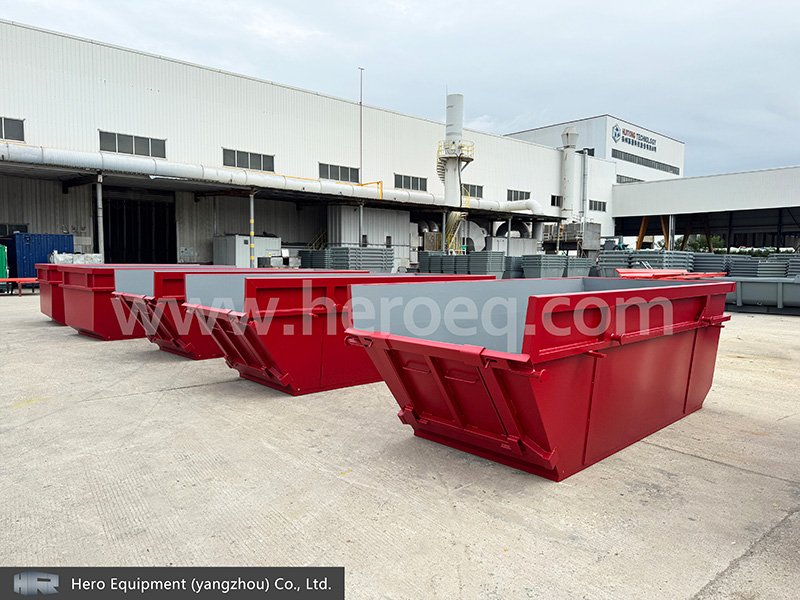
In conclusion, protective coatings play a vital role in extending the service life of steel skip bins in outdoor and marine settings. By providing barrier protection against moisture and oxygen, resisting chemical exposure, offering UV resistance, incorporating anti-corrosion pigments, providing mechanical protection, facilitating ease of maintenance and repair, and being compatible with different environments, these coatings help to mitigate the various threats that can compromise the integrity of the steel. Investing in high-quality protective coatings is a wise decision for anyone looking to maximize the lifespan and performance of their steel skip bins in challenging environments.



 Phone
Phone
Comment
(0)