
Rear Load Bins
Rear load bins are essential components of modern waste management systems, engineered to facilitate the efficient collection and transport of solid waste by rear-loading garbage trucks. These bins are a common sight in residential neighborhoods, commercial districts, and industrial facilities, serving as the primary interface between waste generators and collection services. Constructed from robust materials to withstand harsh conditions, rear load bins are typically made of high-density polyethylene (HDPE) or galvanized steel. HDPE models are lightweight, corrosion-resistant, and easy to clean, making them ideal for residential use. Steel bins, by contrast, offer enhanced strength and durability, suited for heavy-duty industrial applications where waste volumes are large and contents may be abrasive. Most bins feature a rectangular or square shape, optimized for stacking during storage and maximizing space on collection trucks. Reinforced corners and edges prevent damage from frequent handling, while smooth interior surfaces ensure complete emptying when lifted by the truck’s hydraulic arms. Design variations cater to diverse needs. Many residential bins include swivel wheels and ergonomic handles, allowing users to easily maneuver them to curbside pickup points. Lids are a critical feature—sloped lids shed rainwater to prevent overflow, while hinged or flip-top lids contain odors and deter pests like rodents and insects. Some commercial bins are equipped with locking mechanisms to secure contents and prevent unauthorized access. The functional advantages of rear load bins are numerous. Their compatibility with rear-loading trucks streamlines the collection process: the truck’s hydraulic system lifts the bin, tilts it to empty contents into the truck’s hopper, and returns the bin to the ground—all in a matter of seconds. This efficiency reduces collection time and labor costs. Additionally, the durability of these bins minimizes replacement frequency, contributing to cost savings for waste management providers and users alike. Rear load bins are versatile across settings. Residential bins range from 30 to 90 gallons, accommodating household waste and recycling. Commercial bins, often 100 to 300 gallons, handle higher volumes from restaurants, offices, and retail stores. Industrial bins can be even larger, designed to hold construction debris or manufacturing waste. Proper maintenance ensures longevity. Regular cleaning removes residue and prevents odor buildup, while inspections for cracks or damage allow for timely repairs. Adhering to local waste guidelines—such as color-coding for recycling, compost, and general waste—helps optimize sorting and processing. In conclusion, rear load bins play a vital role in maintaining clean and sustainable communities. Their thoughtful design, durability, and efficiency make them an indispensable tool in the global effort to manage waste responsibly. By bridging the gap between waste generation and collection, these bins contribute to a more organized, hygienic, and environmentally friendly waste management ecosystem.
Products
Category:
-
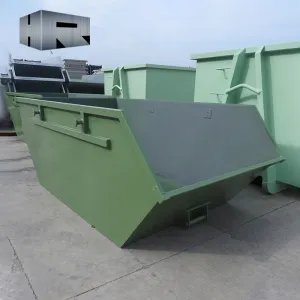
Recycle Marrell bins scrap metal skip bins
Category: Skip Bins/ContainersBrowse number: 11089Number:Release time: 2022-07-12 18:03:57Heavy-duty recycle Marrell bins and scrap metal skip bins for industrial, construction, and recycling waste. Durable steel construction with customizable sizes.
News
Category:
-
[Industry News]How to Avoid Contaminating Your Skip Bin?
2022-07-21 00:19:12 -
[Industry News]Are you looking for a reliable water container for your next...
2023-05-25 18:48:29 -
[Industry News]How do protective coatings extend the service life of steel...
2025-10-21 02:30:25
Case
Category:
No search results found!
Video
Category:
No search results found!
Download
Category:
No search results found!
Job
Category:
No search results found!
Featured Products
No search results found!



 Phone
Phone