
RORO Container
Roll-on/Roll-off (RORO) transport is a cornerstone of global logistics, revolutionizing how wheeled cargo moves across oceans. Unlike traditional lift-on/lift-off (LoLo) methods that rely on cranes to hoist containers or goods, RORO systems enable cargo to drive directly onto and off of specialized vessels—hence the name. This method prioritizes efficiency, safety, and speed, making it indispensable for industries dependent on moving wheeled items. At the heart of RORO operations are vessels equipped with robust ramps (typically at the stern, bow, or side) that bridge the gap between the ship and port infrastructure. These ramps are engineered to support heavy loads, from small passenger cars to massive construction machinery. Once on board, cargo is guided to designated decks—often multi-level, with adjustable heights to maximize space utilization. Each deck features securement points (like lashing rings) to anchor cargo, preventing shifting during rough seas and ensuring stability throughout the voyage. One of RORO’s most significant benefits is its speed. Loading and unloading times are drastically reduced compared to LoLo, as there’s no need for crane operations. This efficiency translates to shorter port stays, cutting fuel costs and minimizing delays in supply chains. Additionally, RORO reduces the risk of cargo damage: since items aren’t lifted or handled multiple times, fragile or heavy equipment remains intact. For wheeled cargo (such as trucks, buses, or agricultural machinery), this method eliminates the need to disassemble or repackage, streamlining the entire process from origin to destination. RORO is indispensable for industries like automotive manufacturing, where thousands of vehicles are shipped globally each day. It’s also critical for construction and mining sectors, transporting excavators, bulldozers, and other heavy equipment to remote job sites. Even containerized cargo benefits from RORO when transported on chassis—allowing seamless transfer between ship, truck, and rail without unpacking, a key component of intermodal logistics. RORO vessels are purpose-built for their cargo. Some feature adjustable deck heights to accommodate tall machinery, while others have specialized ventilation systems to manage emissions from vehicle batteries or fuel tanks. The ramps are often hydraulically operated, adapting to varying port dock heights to ensure smooth access. Capacity is measured in Car Equivalent Units (CEU) or Roll-on/Roll-off Tons (RT), with large vessels capable of carrying thousands of vehicles or hundreds of heavy equipment units. While RORO excels at wheeled cargo, it has limitations. Non-wheeled items require placement on chassis or skids, adding cost and complexity. Additionally, RORO vessels may have less flexibility for mixed cargo compared to LoLo ships, which can handle a wider range of container sizes and non-containerized goods. Despite these challenges, RORO remains a vital part of global trade. It connects manufacturing hubs in Asia, Europe, and the Americas to markets worldwide, supporting economic growth and industrial development. By prioritizing efficiency, safety, and speed, RORO transport continues to shape the future of maritime logistics, ensuring that wheeled cargo reaches its destination quickly and reliably.
Products
Category:
-
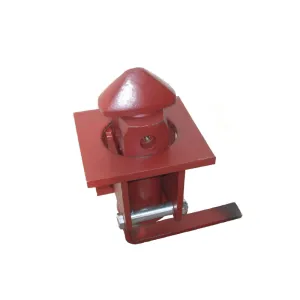
Twist lock of container trailer with straight handle and turn lock
Category: Shipping Container PartsBrowse number: 6992Number:Release time: 2023-09-21 00:44:27trailer twistlock -
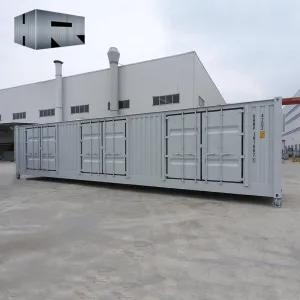
40ft Side Open Special Container
Category: Other Special Purpose ContainerBrowse number: 7521Number:Release time: 2023-09-21 21:45:20Hero Equipment can design and produce kinds of equipment containers for you.
News
Category:
-
[Industry News]What is the material of the Roll On Roll Off Container?
2022-12-18 16:18:53 -
[Industry News]How are RORO Container classified according to their usage?
2022-12-19 16:21:18 -
[Industry News]How to divide the House Container according to the material...
2023-02-16 01:06:53
Case
Category:
No search results found!
Video
Category:

Download
Category:
No search results found!
Job
Category:
No search results found!
Featured Products
No search results found!



 Phone
Phone